Treat soft washing as a condition and material decision
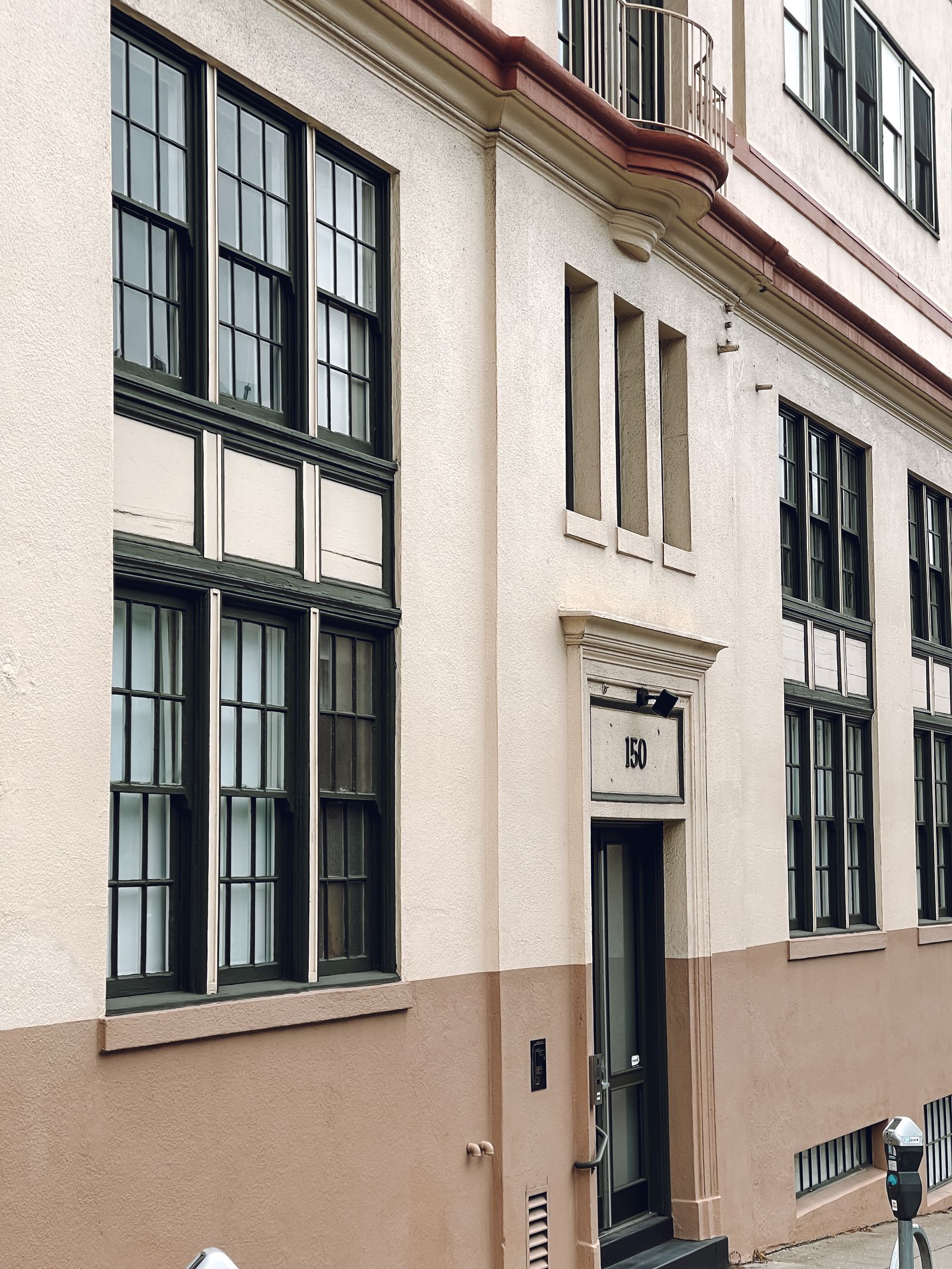
Soft washing generally relies more on compatible chemistry, dwell time, and controlled rinsing than on impact force. It may fit selected stucco, EIFS, masonry, painted concrete, and other tested surfaces affected by algae, mildew, pollen, bird residue, and atmospheric soil. Lower pressure can reduce some mechanical stress, but it does not remove risks from chemical strength, temperature, dwell time, wind, overspray, landscaping, or water entering failed joints. A test area is useful when a resort has varied coatings, a wall has been repaired several times, or ownership expects a uniform guest-facing appearance.
Orlando buildings often combine broad wall fields with tile, balconies, glass, metal trim, sealants, canopies, and decorative features. A method that fits a stucco wall may be wrong for a pool-deck surface, storefront frame, painted sign, or porous feature. Start with the substrate and visible condition, then define the result: routine maintenance, an organic-growth treatment, a facade reset, or specialty restoration. The proposal should say what should improve, what may remain, and which conditions need a repair or restoration professional.
Pressure washing has a specific role on commercial sites
Pressure washing can be useful on selected durable concrete approaches, loading areas, service yards, parking structures, and other surfaces where force, distance, flow, drainage, and surrounding uses have been reviewed. It is not a universal method for an entire commercial building. Excessive force can damage stucco, strip paint, etch softer stone, disturb mortar, break fragile trim, open a joint, or drive water behind a coating. Equipment strength alone does not predict the quality of the finished facade.
For Orlando properties, lower walls can carry irrigation overspray, traffic film, sunscreen residue, and landscaping soil while upper elevations show mildew, pollen, or rain streaks. Resorts, convention hotels, and medical buildings also have guests, patients, buses, valet movement, and public paths close to the work. Ask the contractor to explain where pressure is proposed, why the material can tolerate it, what protections are required, and how the dry finish will be checked. A mixed-method scope is often more accurate than one machine setting for the whole site.
Orlando heat and tourism make timing part of the method
Heat, humidity, direct sun, and afternoon storms can change how both methods behave. Sun-warmed stucco, metal, glass, and pavement can shorten chemical dwell or dry a rinse unevenly. Shaded walls, planted setbacks, pool areas, and roof edges may remain damp and resoil differently. A convention property may need work around event arrivals, buses, loading, and guest check-in, while a resort may need a pool deck or porte cochere kept active. The method should be chosen alongside the work window and handback plan.
A responsible scope states the limits for wind, lightning, rain, temperature, surface moisture, visibility, and pedestrian movement. A storm can make a sidewalk slick, move rinse water toward a drain, or make drone operation infeasible. If spray starts moving toward guests or water leaves the controlled route, the crew should pause. A bid that includes a sequence, weather decision point, secure-equipment procedure, and reschedule rule gives operations staff a more useful answer than a guaranteed date detached from site conditions.
Evaluate drone assistance by the finish you need
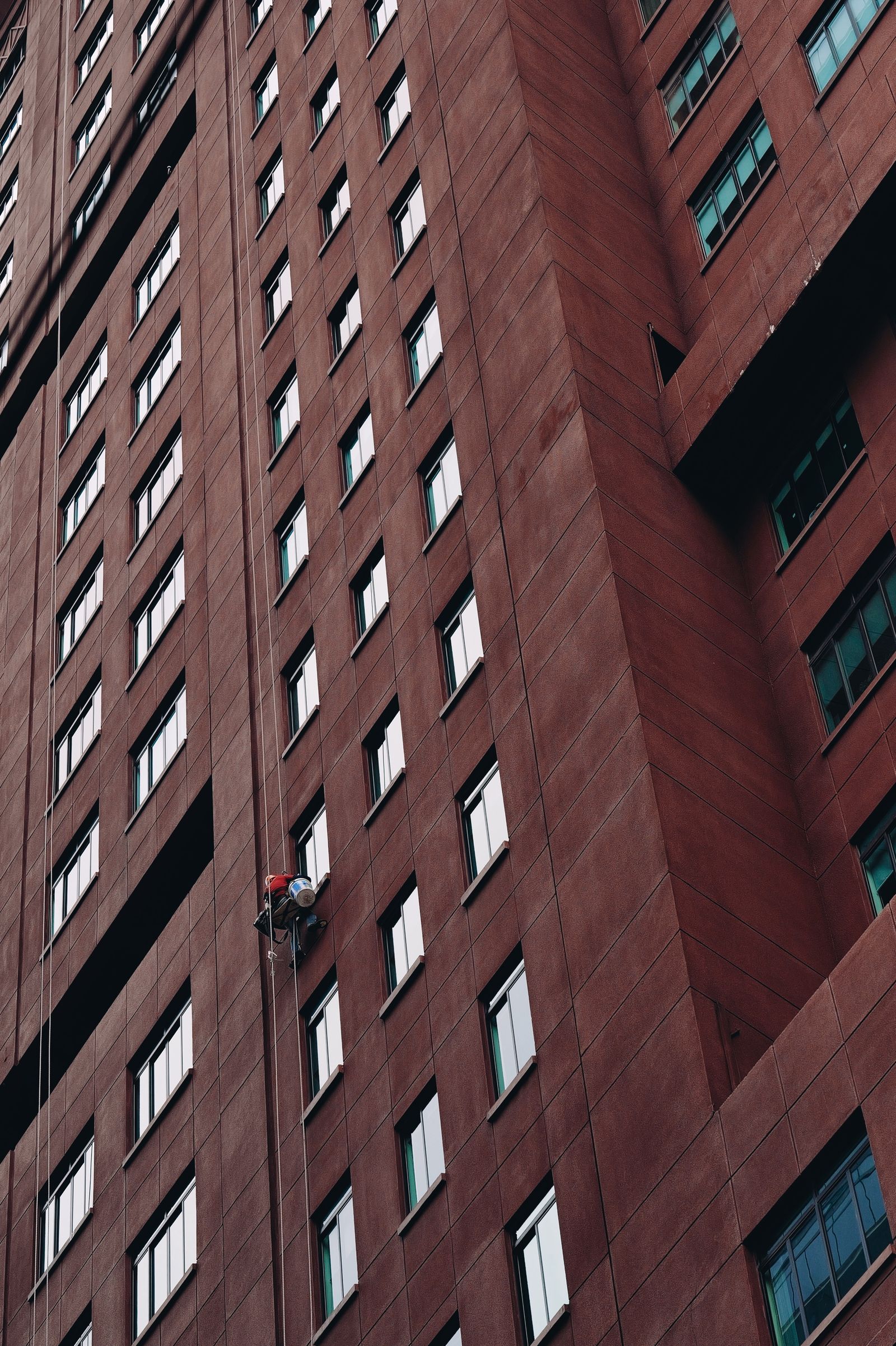
Drone-assisted application or rinsing may support broad upper elevations when airspace, wind, stand-off distance, line of sight, launch space, ground controls, and water management are workable. It can reduce some lift staging, but it cannot replace all contact detail. Glass frames, ledges, canopies, mineral deposits, bonded residue, delicate trim, and surfaces needing brushing or polishing may still require a person, pole, lift, or roof-access method. Ask for a method map by elevation rather than assuming the newest tool should be used everywhere.
Orlando International Airport, Orlando Executive Airport, heliports, medical helicopter routes, theme-park operations, stadium events, and temporary restrictions may affect an aerial plan. Commercial drone work must meet applicable FAA requirements and any authorization required for the address and date. A site review should also consider palms, wires, balconies, rooftop units, neighboring buildings, sidewalks, traffic, guests, and emergency access. The practical recommendation may combine aerial rinsing on a compatible wall, low-pressure contact work at the entry, and specialty treatment for deposits that ordinary washing cannot remove.
Compare water controls, landscaping, and drainage
Both soft washing and pressure washing move water and removed soil. Compare the expected water volume, products, slope, drains, low points, planted areas, pool equipment, doors, air intakes, guest paths, vehicles, and neighboring properties for each proposed method. A curb inlet is not automatic authorization to discharge wash water. Depending on the soil, chemistry, and site, the plan may need diversion, collection, recovery, reduced rinse volume, filtration, plant protection, or coordination with the responsible authority.
Ask the bidder to state water-management assumptions and the stop condition if observed flow differs from the plan. Orlando's sudden storms can change a planned route after equipment is set, and irrigation can create a different wet condition from one side of a building to another. A closeout should identify cleaned elevations, remaining deposits, deferred repairs, controls used, and any weather-related change. That record helps a portfolio team decide whether the next visit should be routine maintenance, a different method, or specialty restoration.
Use an Orlando quote to make the comparison useful
Ask every bidder to identify the facade materials, visible conditions, proposed method by zone, access equipment, water assumptions, weather limits, occupied-site controls, expected finish, exclusions, and closeout documents. Compare broad facade washing separately from glass detailing, hard-water removal, oxidation treatment, canopy work, construction residue, coating work, and repairs. If drone assistance is proposed, ask where it is feasible, which operating conditions are required, and what alternate access method applies if wind, airspace, guests, or finish requirements change.
Send the Orlando address, photographs, approximate height, materials, priority elevations, event and arrival calendar, guest or patient restrictions, pool or landscaping concerns, security requirements, water access, drainage observations, and desired result. Drone Building Cleaners can help determine whether soft washing, pressure washing, contact work, drone assistance, a lift, or a hybrid scope fits the property. Call +1 239-351-2897, email contact@dronebuildingcleaners.com, or request a quote so the recommendation is tied to the building rather than a generic equipment preference.