Match the Orlando building material to the cleaning result
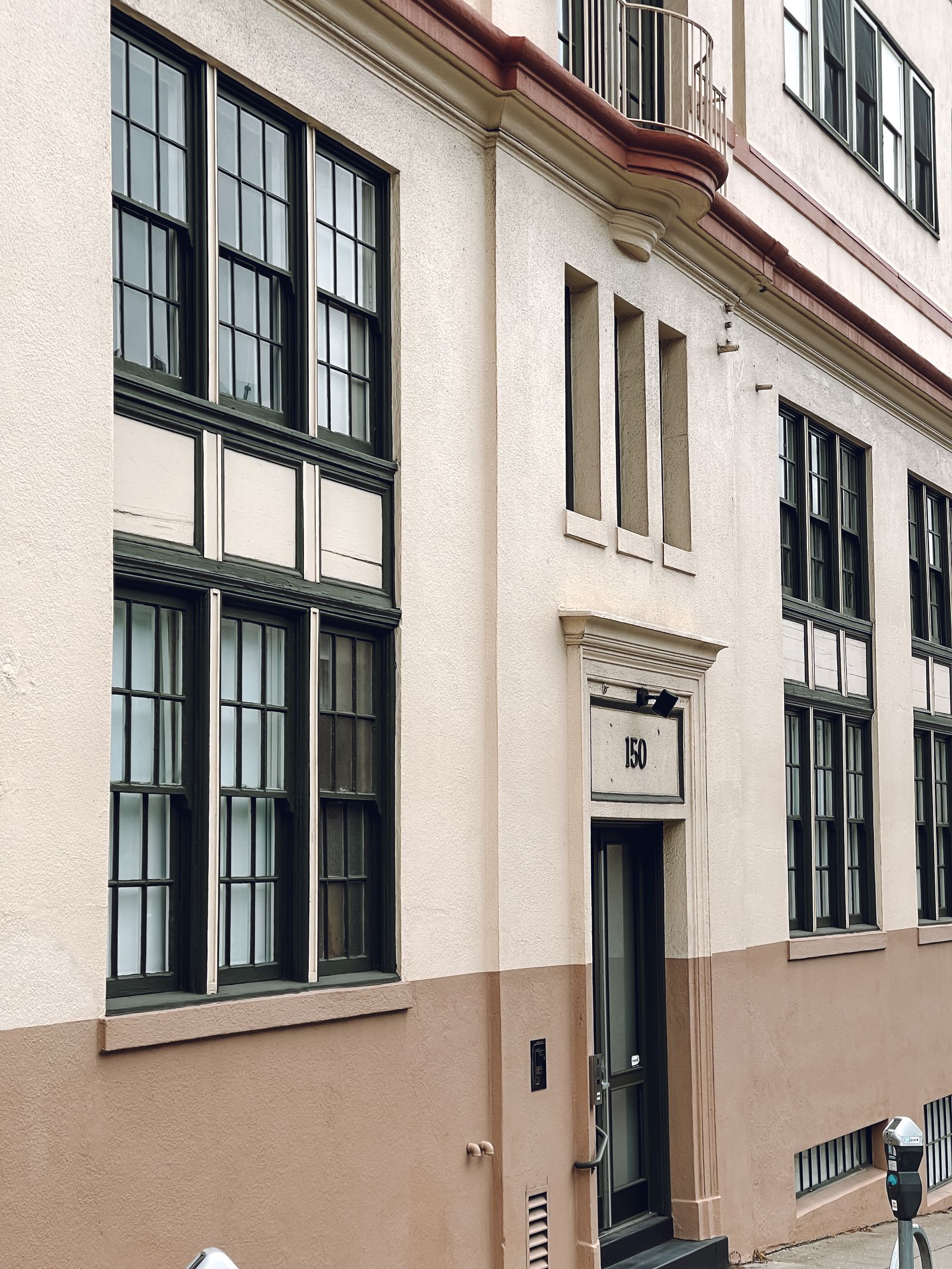
Central Florida commercial properties often combine stucco, painted concrete, EIFS, brick, precast, glass, metal panels, tile, canopies, balconies, and decorative features. A resort facade may have shaded courtyards, pool-adjacent walls, porte cocheres, and guest balconies. An office or medical building may have broad stucco elevations, planted setbacks, sidewalk canopies, and active entrances. A warehouse near the airport or State Road 528 may carry dust and road film on lower walls while upper walls show rain marks or biological growth. We identify the material and the condition before choosing pressure, dwell time, chemistry, rinse volume, or an access method.
Soft washing may suit compatible algae, mildew, pollen, bird residue, and atmospheric soil on tested surfaces. It does not fix cracked stucco, failed sealants, spalled concrete, coating failure, corrosion, leaks, or moisture behind a wall. A dark streak can be organic growth, irrigation residue, oxidation, dirt, or a roof and gutter problem. When the substrate is porous, the coating history is uncertain, or ownership expects an even presentation finish, a test area can clarify the result before the full scope is scheduled. The quote should distinguish routine cleaning from restoration, repairs, mineral removal, and specialty detail work.
- Separate stucco, EIFS, concrete, glass, brick, metal, tile, and painted areas.
- Identify organic growth, irrigation marks, mineral deposits, road film, and damage.
- Define whether the goal is maintenance, a guest-facing appearance reset, or detail work.
- Keep repairs, leak diagnosis, coating replacement, and restoration outside routine washing.
Build the schedule around resorts and convention properties
Orlando hospitality properties are often working buildings rather than empty job sites. International Drive, the convention district, Lake Buena Vista, Disney-area corridors, Universal-area hotels, and airport hotels can have guests, luggage, rideshare vehicles, buses, deliveries, outdoor dining, pool activity, and event traffic close to an elevation being cleaned. The Orange County Convention Center can change traffic patterns and arrival pressure around a hotel. A visible facade improvement is valuable, but a guest walking into a wet or restricted entrance is a preventable operational problem.
Before work begins, we ask about check-in and check-out, breakfast, valet, housekeeping, pool hours, event calendars, outdoor seating, accessible routes, loading areas, air intakes, and the person authorized to pause work. A convention hotel may need phased elevations so the porte cochere remains available. A resort may want pool-deck and guest-room sides handled during separate windows. A medical or senior-living property in Lake Nona or Dr. Phillips may require tighter control around patients, visitors, and ventilation equipment. The proposal should state the sequence, barriers, handback standard, communication path, and escalation contact.
Account for Orlando heat, humidity, pollen, and storms
Orlando's heat and humidity affect how a cleaning solution behaves, how quickly a surface dries, and how comfortable a public work zone remains. Direct sun can warm stucco, metal, glass, and pavement while shaded north-facing walls, landscaping edges, and areas beneath roof lines retain moisture. Those exposures can develop different levels of mildew, algae, pollen, and resoiling. A recurring maintenance schedule should follow the property's exposure and appearance standard rather than promise the same interval for every elevation.
Afternoon thunderstorms, lightning, heavy rain, gusts, and fast-changing skies can affect spray control, drone feasibility, slick walking surfaces, and where rinse water travels. Summer work may need smaller sections, weather checks, hydration breaks, and a dry inspection after the facade has settled. Work should pause when wind, lightning, precipitation, visibility, or surface conditions no longer support the plan. A storm can also move leaves, soil, and landscaping debris onto a recently cleaned wall; the closeout should record whether weather changed the result or required a return visit.
Use drone assistance only where the property supports it
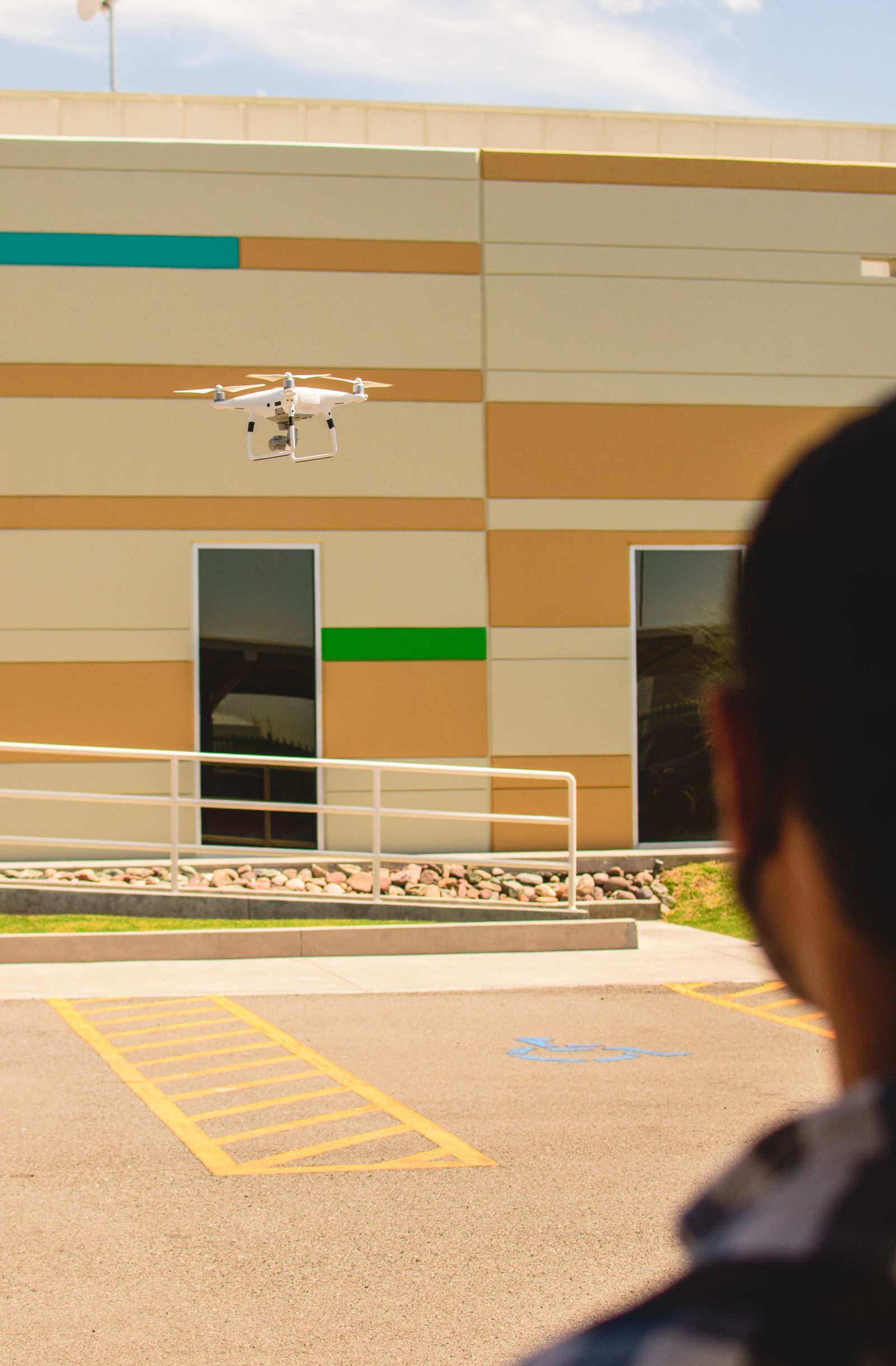
Drone-assisted application or rinsing can support selected upper facade areas when wind, stand-off distance, airspace, line of sight, launch and recovery space, water access, and ground controls are all workable. It is one part of an access plan, not a promise that every surface can be cleaned from the air. Balconies, trees, wires, signs, rooftop equipment, neighboring buildings, tight sidewalks, active roads, and public gatherings can make one elevation feasible and another unsuitable. Broad upper wall washing may pair with a lift, water-fed pole, or hand detailing at entrances, frames, ledges, and canopies.
Orlando International Airport, Orlando Executive Airport, heliports, medical helicopter activity, theme-park operations, sporting events, and temporary restrictions may affect an aerial plan. Commercial operators must follow applicable Federal Aviation Administration requirements and obtain any needed authorization; property permission does not replace aviation rules. The quote should identify the proposed elevations, spotters, communication, emergency stop procedures, public separation, and the conditions that trigger a reschedule or alternate method. A hybrid plan is often the most practical way to protect the finish and the operating schedule.
Protect resort landscaping, pools, entrances, and drainage
Central Florida properties can have dense planting, palms, turf, irrigation, pool decks, fountains, water features, garage ramps, and low points close to the facade. Water and removed soil can move from an upper wall to a planting bed, sidewalk, curb inlet, guest entrance, or neighboring property. Before applying water or chemistry, map drains, doors, air intakes, outdoor seating, pool equipment, vehicles, cameras, irrigation heads, and emergency routes. Confirm hose routing, barriers, water access, and who can stop the job if conditions change.
The correct controls depend on the products, soil removed, rinse volume, slope, drainage, and property requirements. They may include plant protection, diversion, collection, reduced rinse volume, recovery, filtration, or coordination with the responsible authority. A visible storm drain is not automatic permission to discharge wash water. The closeout should leave paths dry and safe, document the completed elevations, record any remaining deposits or repairs, and explain deviations from the plan. That gives a hotel or facilities team a useful maintenance record instead of an unexplained before-and-after claim.
- Locate drains, low points, landscaping, pool equipment, doors, air intakes, and vehicles.
- Confirm guest routes, hose paths, water access, emergency access, and barrier placement.
- State the intended water-management approach and the stop condition if flow changes.
- Photograph completed zones and note deposits, repairs, or contact-cleaning needs.
Request an Orlando quote tied to the property
A useful commercial soft-washing proposal should identify the service zones, materials, visible soil, included features, method by elevation, access approach, water assumptions, weather limits, operating window, intended finish, exclusions, and closeout documentation. It should separate broad facade washing from high-detail glass, hard-water residue, oxidation, construction film, graffiti, coating work, canopy detailing, and repairs. If drone assistance is proposed, the scope should explain where it is expected to help and what backup method applies if wind, airspace, public movement, or the finish requirement changes.
Send the Orlando property address, wide and close photos, approximate height, priority elevations, known materials, desired result, preferred dates, water access, drainage concerns, and restrictions related to guests, events, pool activity, deliveries, tenants, patients, or security. Those details help determine whether a remote review, site visit, test area, or hybrid access plan should come next. We can quote a one-time appearance improvement, phased resort or office cleaning, or recurring exterior maintenance. Call +1 239-351-2897, email contact@dronebuildingcleaners.com, or use the quote form to get started.